When creating ads targeting a premium audience, the right luxury fonts are essential for conveying elegance, trust, and high-quality brand identity. Premium ad typography can elevate your design, whether you’re using serif vs sans-serif fonts for a high-end ad design or experimenting with elegant fonts for brands. Your typography not only reflects your luxury brand aesthetics but also ensures readability and elegance in ads, which are crucial for connecting with discerning customers. In this guide, we’ll explore the best fonts for premium product ads, discuss font pairing for luxury ads, and offer typography tips for ads that create visual hierarchy and brand credibility. Whether you’re building an upscale campaign or refining your ad design best practices, this post will help you make the best font choices to stand out in the luxury market.
Why Font Choice Matters for Premium Ads / Luxury Branding
When designing ads for a premium audience, the font you choose plays a pivotal role in communicating your brand’s values. The right typography reflects elegance, quality, trust, and exclusivity, all of which are key components of a luxury brand.
Here’s why font choice is so important:
- Conveys brand values: Fonts are more than just text; they communicate your brand’s essence. Luxury fonts speak to sophistication, exclusivity, and high-end quality, making them essential for ads targeting a premium audience.
- Risk of mismatched fonts: Using fonts that are too casual or “cheap-looking” can downgrade perceived value, even if the product itself is high-end. Fonts directly impact how customers perceive your brand.
- Psychological impact of typography: Before a viewer even reads your message, the font style already sets the tone. Typography creates an emotional response, shaping the viewer's opinion and connection to your brand.
Key Principles for Choosing Fonts for Premium Ads
Choosing the right fonts for premium ads requires more than just picking something visually appealing. It’s essential to follow a few key principles that ensure your typography not only looks great but also aligns with your brand’s identity and resonates with your premium audience.
Key principles for selecting fonts for luxury ads:
- Legibility first: Even in luxury ads, readability is crucial. Whether the ad is on a mobile device or print, the font must be clear and easy to read. No matter how beautiful a font looks, if it’s difficult to read, it will undermine the effectiveness of your ad.
- Match brand personality & audience: Your font should reflect the personality of your brand. Is your brand classic and timeless, modern and sleek, or creative and bespoke? Aligning the font with your brand’s core values ensures it appeals to the right audience. For instance, a premium tech brand may opt for sleek, sans-serif fonts, while a luxury fashion brand might choose serif fonts for sophistication.
- Consider context & medium: The context of the ad matters—fonts used for print ads might differ from those for digital ads. A large headline font should be bold and attention-grabbing, while body text fonts should prioritize readability. No Boring Design points out that the medium (online, billboards, social media) should influence your font choice.
- Use appropriate font categories: The right font category enhances the luxury feel. Serif fonts are ideal for conveying elegance and tradition, while sans-serif fonts offer a more modern and minimal aesthetic. Script or decorative fonts should be used sparingly, as they can appear too playful or excessive if overused. Pairing a serif with a sans-serif or keeping it simple with a clean sans-serif often works best.
- Pay attention to hierarchy & spacing: Typography isn’t just about choosing a font—weights, sizes, and spacing are equally important. Create a visual hierarchy that guides the viewer’s eye from the headline to the subheadings and body text. Using varying font weights to make key information stand out, ensuring clarity and a seamless reading experience.
Recommended Fonts & Font Families for Premium Ads (with Use Cases)
When choosing fonts for premium ads, it’s crucial to select those that align with the luxurious feel of your brand while ensuring readability and elegance. Based on expert insights from the luxury branding world, here are some of the best font families for premium ads, along with their ideal use cases:
1. Classic Serif Fonts
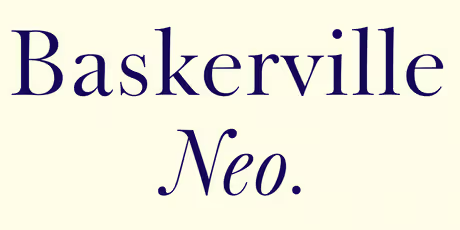
- Examples: Baskerville, Bodoni, Trajan
- Best for: Luxury brands, heritage products, high-end formal ads.
- Why it works: Classic serif fonts exude sophistication and timeless elegance, making them perfect for luxury product ads. These fonts convey tradition and are often used in industries like jewelry, high-end fashion, and fine art. Design Your Way notes that these fonts evoke a sense of quality and class.
2. Modern Serif or Transitional Fonts
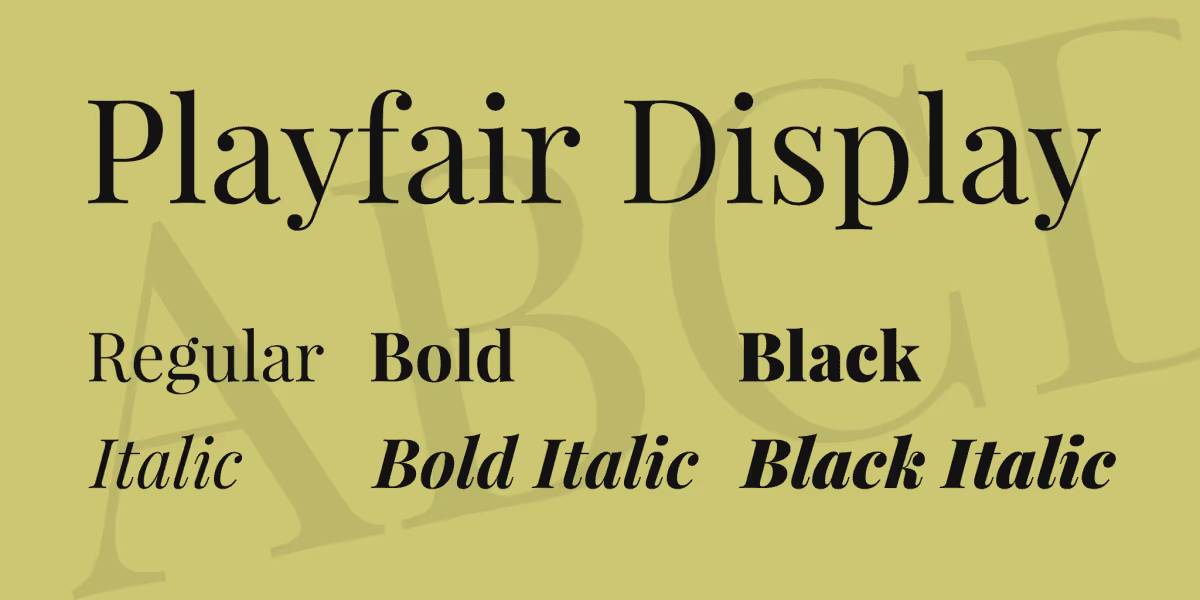
- Example: Playfair Display
- Best for: Classy ads, headlines, and editorial content.
- Why it works: Modern serif fonts blend the classic appeal of serifs with more contemporary design elements. It offers the perfect balance of elegance and readability, making it ideal for luxury brands looking for a modern, upscale aesthetic. No Boring Design recommends these fonts for elegant editorial and product ads.
3. Clean Sans-Serif Fonts (Minimal & Modern)
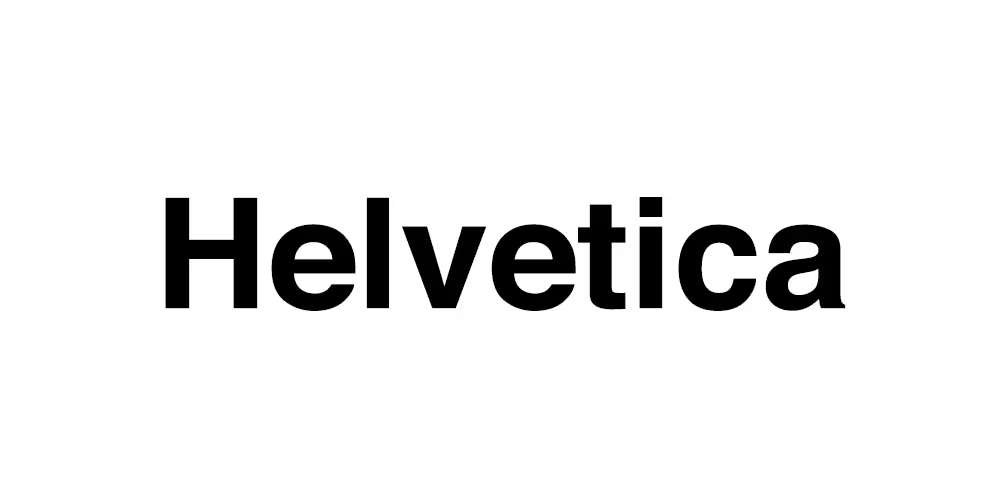
- Examples: Helvetica, Futura, Montserrat, Avenir
- Best for: Modern luxury brands, tech-oriented ads, minimalistic style.
- Why it works: Sans-serif fonts are perfect for premium tech brands or modern minimalist ads. Fonts like Helvetica and Avenir provide a sleek and professional look that’s both clean and versatile. These fonts work especially well for luxury brands in technology or lifestyle. Use them for creating a contemporary, polished aesthetic.
4. Luxury/Signature/Decorative Fonts (Used Sparingly)
- Examples: Fonts specifically designed for high-end branding
- Best for: Fashion, beauty, boutique brands, and bespoke businesses.
- Why it works: Luxury signature fonts add uniqueness and a sense of exclusivity when used in premium ads. Decorative fonts can be used in creating logos, headlines, or branding materials, but should be used sparingly to maintain an air of sophistication. These fonts create a distinctive brand identity for high-end fashion or boutique stores.
5. Font Pairings that Convey Luxury + Readability
- Example: Pair a classic serif (e.g., Baskerville) for the headline with a clean sans-serif (e.g., Helvetica) for body copy.
- Best for: Ensuring clarity and contrast in premium ads.
- Why it works: Combining a serif for headlines with a sans-serif for body copy creates contrast and visual hierarchy. This pairing makes the text both elegant and easy to read, which is essential for luxury ad design. This combination to achieve both luxury appeal and functional readability.
How to Use Fonts in Ads Effectively — Tips & Best Practices
Choosing the right fonts is only half the work—how you use them in your ads determines whether your design feels polished, premium, and aligned with your brand identity. These best practices ensure your typography enhances the message rather than distracting from it.
1. Use clean serif or sans-serif fonts for readability
For premium ads, clarity is essential. Stick to clean serif or sans-serif fonts for body text to maintain readability across all devices. Leave decorative or script fonts for minimal elements like logos, headlines, or accent words, where a touch of flair won’t compromise legibility.
2. Maintain proper spacing and line height
Typography isn’t just about the letters—it’s also about the space around them. Proper letter-spacing, line-height, and padding help your ads look elegant and uncluttered, which is crucial when targeting a premium audience.
3. Use font pairing strategically
A powerful technique is pairing a classic serif for headlines with a modern sans-serif for body copy. This combination delivers both contrast and balance, giving your ad sophistication without sacrificing readability.
4. Create a clear hierarchy and structure
Your ad should guide the viewer’s eye naturally. Establish clear layers by using different weights, sizes, and styles for the headline, sub-headline, and body text. Strong hierarchy makes your message more impactful and easier to read.
5. Stay consistent across all brand channels
Typography should remain consistent across your ads, website, packaging, and branding materials. Consistency reinforces brand recognition and strengthens your premium identity.
6. Match font mood to brand personality
Fonts should visually express your brand’s tone.
- Luxury and heritage brands → timeless, refined serifs.
- Modern or premium tech brands → sleek, minimalist sans-serifs.
- Fashion or boutique brands → tasteful decorative fonts (used sparingly).
Aligning font mood with brand personality ensures your ads feel cohesive, authentic, and premium.
Mistakes to Avoid When Designing Premium Ads
Designing premium ads requires careful attention to typography. Even the strongest visuals can lose impact if the font choice or styling feels inconsistent or low quality. To maintain a luxury feel, avoid these common mistakes:
1. Avoid overly decorative or “cheap-looking” fonts
Fonts that feel too playful, rounded, or casual can instantly dilute the prestige of your ad. Overly decorative or novelty fonts can make high-end products appear less valuable, even when everything else in the design is premium.
2. Don’t sacrifice readability for style
Overly thin, highly stylized, or tightly spaced fonts may look artistic but often fail on smaller screens. Clarity should always come first—especially for mobile users. If your audience can’t read your message at a glance, the ad loses its effectiveness.
3. Avoid inconsistent typography across campaigns
Switching between too many fonts across ads, social media posts, or website elements weakens your brand identity. Consistency builds trust, while inconsistency makes your brand feel unprofessional and unfocused.
4. Don’t ignore typographic hierarchy
Using the same font weight, size, or style for every line of text makes your ad look flat and visually confusing. A clear hierarchy—headline, subheadline, body copy—helps guide the viewer’s eye and elevates the overall design.
Font Pairing Examples for Premium Ads
Selecting the right font pairing can instantly elevate your ad design, especially when targeting a premium audience. The right combination creates balance, reinforces brand identity, and enhances readability. Here are powerful, high-impact font pairing ideas that work exceptionally well for luxury and upscale advertising:
1. Serif headline + sans-serif body
This classic combination blends tradition with modernity. A serif font in the headline adds elegance and authority, while a clean sans-serif in the body keeps the message clear and readable. Perfect for luxury fashion, beauty, and high-end retail ads.
2. Minimalistic sans-serif all over
Using a single, clean sans-serif font throughout creates a modern, minimalist aesthetic. This style is ideal for tech brands, lifestyle products, and premium DTC ads that want a sleek, contemporary feel without unnecessary visual noise.
3. Script or luxury decorative for logos/headlines + serif or sans-serif for body
A beautiful script or signature-style font adds flair and exclusivity when used in small doses—such as logos or headlines. Pair it with a simple serif or sans-serif for the body text to maintain readability and balance. Ideal for boutique brands, fashion labels, and beauty ads.
4. High-contrast serif for headline + simple sans-serif for disclaimers or small text
A dramatic, high-contrast serif makes your headline eye-catching and luxurious, while a minimal sans-serif underneath keeps finer details clear. This pairing works especially well for ads with multiple text layers, product highlights, or legal disclaimers.
When to Choose Serif vs Sans-Serif vs Decorative / Script Fonts
Choosing the right font style is essential for conveying the correct brand personality—especially when targeting a premium audience. Each font category communicates a different mood, so selecting the right one ensures your ads speak directly to the expectations of your luxury market.
1. Traditional luxury, heritage, or formal brands → Serif fonts
Serif fonts communicate elegance, tradition, and timeless sophistication. They are perfect for luxury brands with a classic identity—such as jewelry, premium fashion, fine art, or heritage products. Serif fonts instantly elevate perceived quality and convey trust.
2. Modern, minimalist, or sleek brands → Sans-serif fonts
Sans-serif fonts create a clean, modern, and high-end look, making them ideal for luxury tech, lifestyle, skincare, and premium DTC brands. Their minimalism enhances readability while projecting a polished and contemporary brand personality.
3. Creative, bespoke, fashion-forward, or boutique brands → Decorative or script fonts (sparingly)
Decorative and script fonts are best used as accent elements—not body text. They add personality and a sense of exclusivity, making them excellent choices for boutique labels, beauty brands, or bespoke designers. Script fonts can convey artistry and uniqueness, but only when used in moderation.
Conclusion & Next Steps
Font choice plays a crucial role in shaping how your audience perceives your brand, especially when you're targeting a premium market. The right typography can instantly communicate luxury, trust, sophistication, and exclusivity—while the wrong font can dilute even the most high-end products. As you refine your ad strategy, take time to audit your current typography, experiment with recommended luxury fonts, and ensure every element aligns with your brand’s premium positioning. Creating a “brand typography kit” with a dedicated headline font, body font, and accent font will help maintain consistency across all ads, website pages, and marketing materials. This consistency not only strengthens brand identity but also elevates how customers experience your products. And if you're building or scaling a premium ecommerce store, platforms like AliDrop make it easier to present your products beautifully and maintain a polished, upscale look across your entire brand. With the right fonts and the right tools, your ads can truly stand out in the premium market.
Best Fonts for Ads Targeting Premium Audience FAQs
What is the best font for ads?
The best font for ads depends on your brand style, but clean serif or sans-serif fonts like Helvetica, Avenir, or Baskerville work well. They ensure readability, professionalism, and strong visual impact across digital and print ads.
What is the 3 font rule?
The 3 font rule recommends using no more than three fonts in a design: one for headlines, one for subheadings, and one for body text. This keeps ads visually cohesive, professional, and easy to read.
What font conveys luxury?
Luxury brands often use elegant serif fonts like Bodoni, Didot, or Baskerville. These fonts communicate sophistication, exclusivity, and high-end quality, making them ideal for premium ads and upscale branding.
What style of text attracts attention?
Bold, high-contrast fonts attract attention quickly. Headlines using strong serif or modern sans-serif styles create visual hierarchy and draw the viewer’s eye, making your ad message stand out instantly.
What font attracts the human eye most?
Fonts with clear shapes and balanced spacing—such as Helvetica, Futura, and Montserrat—are most eye-catching. Their clean structure enhances readability and helps viewers absorb your message quickly and effortlessly.
What is Gen Z's favorite font?
Gen Z gravitates toward modern, minimal fonts like Helvetica Now, Inter, and Poppins. These clean, contemporary typefaces match their preference for clarity, simplicity, and aesthetic digital design across social media and branding.


%201.svg)